
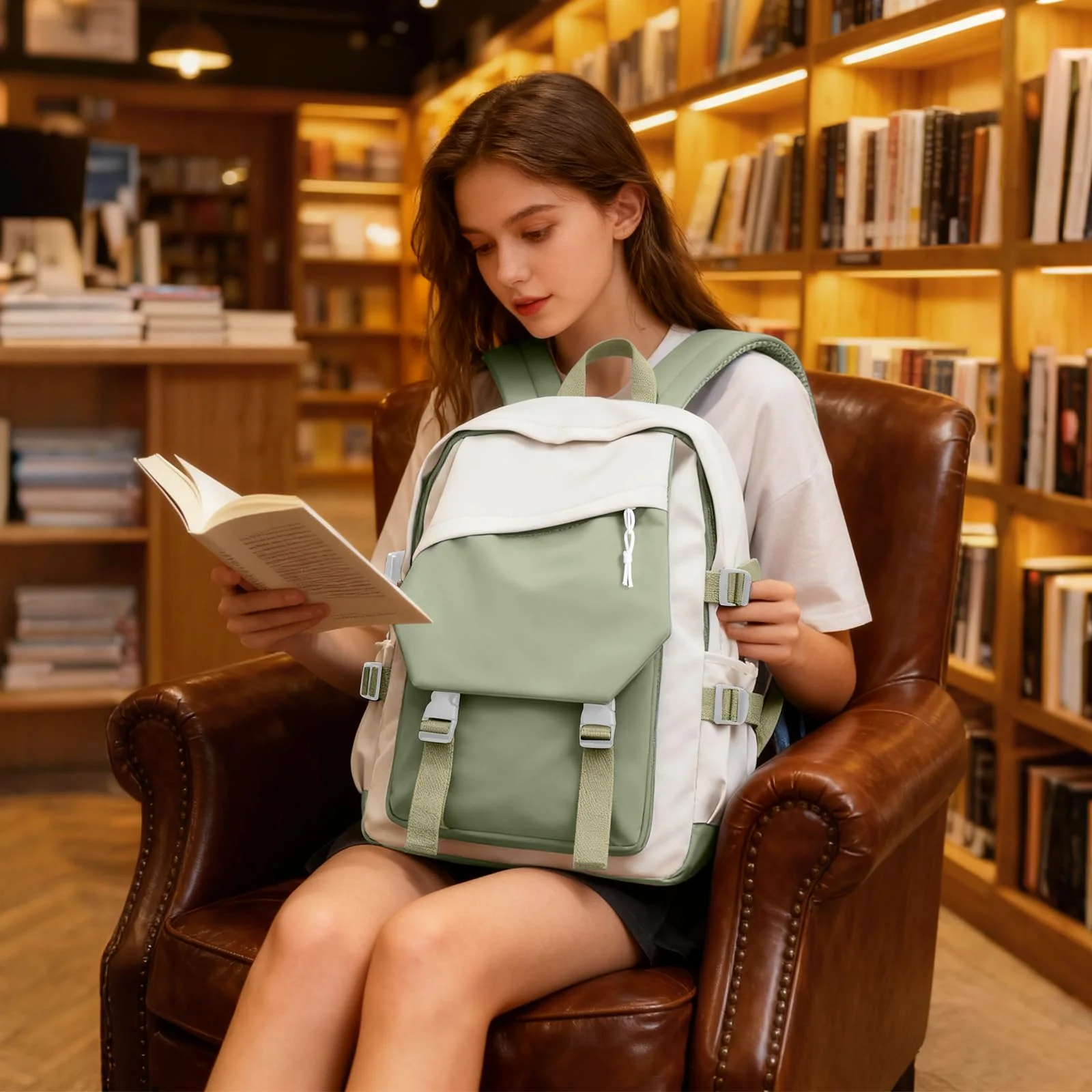
The number to remember
There is one simple rule to keep in mind. The American Academy of Pediatrics recommends that a backpack should weigh no more than 15 percent of your child’s body weight. For a 50 pound child that means a total load of no more than 7.5 pounds. This is an easy calculation to do at home. Multiply your child’s weight by 0.15 and you will have the target maximum.
The American Academy of Orthopaedic Surgeons gives no percentage, but on the spine the two agree: the AAOS says heavy backpacks do not cause scoliosis, and the AAP says backpacks have not been shown to cause long-term spine problems. The 15 percent is about everyday strain, the sore shoulders at the end of a school day.
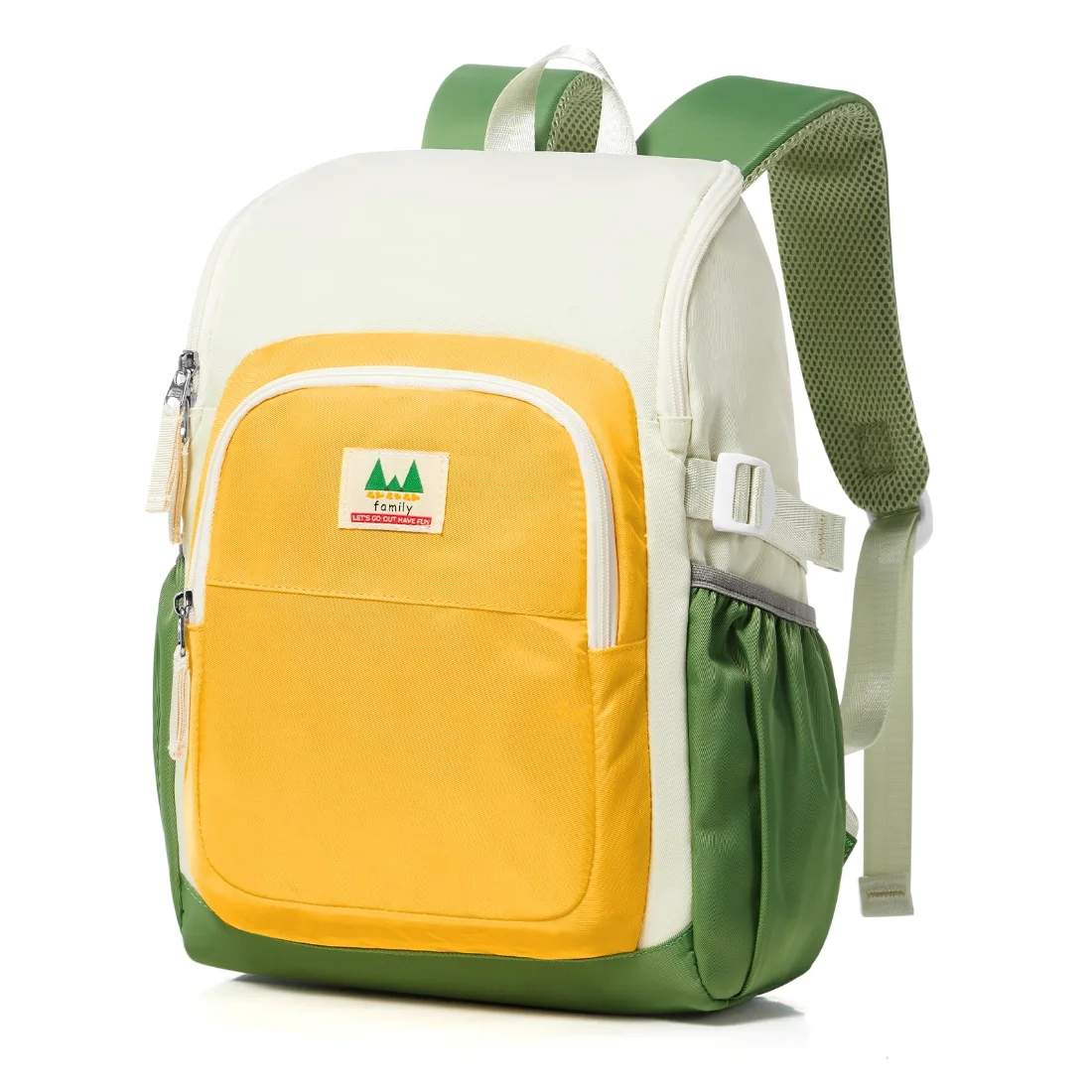
We know weights can add up from books, lunch, a water bottle, and small extras. That empty weight matters. Our kids backpack is 1.21 pounds when empty. Factor that into the total and you can see how quickly you approach the 15 percent mark. For older students, our college backpack starts at about 1.1 pounds empty and larger models are 18.3 inches tall. Carrying less overall weight will make transitions between classes and after school activities easier.
Two straps, and how the bag should sit
Use both shoulder straps every time. The AAP and AAOS both advise it. Slinging a bag over one shoulder concentrates the load on one side and can strain muscles in the neck and shoulder. If your child prefers one strap, remind them that two straps distribute the weight evenly and reduce muscle fatigue.
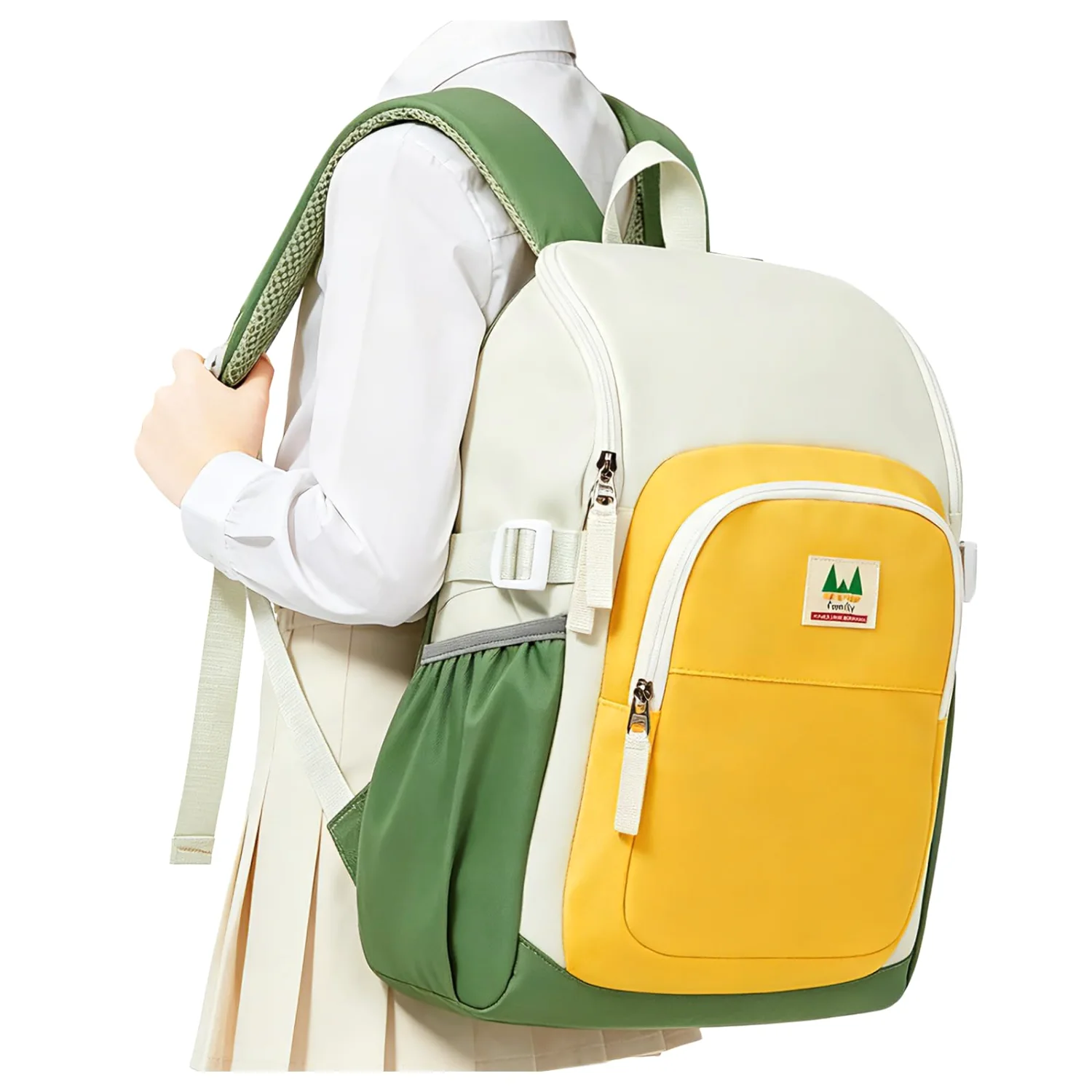
Adjust the straps so the pack sits close to the child’s back. A pack that hangs low and loose pulls the child backward with every step.
If the pack has a waist strap or chest strap, use it when the load is heavy. Those straps transfer some weight from the shoulders to the hips and torso. The padding on the straps matters. Our kids backpack has padded shoulder straps and a breathable mesh back panel to help keep the pack comfortable when worn properly. For college students, a larger pack with well-padded straps and a snug fit is also important for long walks between classes.
Teach your child to check the fit each morning. A quick glance and a little tightening can make the day more comfortable.
Packing a school backpack so it carries well
How you pack the bag affects how heavy it feels. Put the heaviest items closest to the back. Books and notebooks lie flat against the back panel to reduce the pull away from the body. Lighter items go in outer pockets. A heavy lunchbox at the very front of the bag creates forward pull and contributes to slouching.
Use compartments. A main compartment for books and a front pocket for small items keeps things organized and reduces shifting. If your child carries a water bottle, place it in an exterior side pocket so it does not slide around inside. Loose items like pens and chargers belong in a small pouch. That prevents unexpected redistribution of weight when the child bends or runs.
Balance both sides. If your child carries sports gear, tuck it into one side only when it is small and light. Otherwise, move a similarly sized item to the opposite side to maintain balance. Regularly clean out the pack. Old worksheets, extra jackets, and items that accumulate over the week quickly add ounces and then pounds.
Weigh the packed bag, bag and all: the 15 percent covers everything your child carries, the backpack included. For a 50 pound child that is 7.5 pounds in total, and our kids backpack takes 1.21 of them before a single book goes in. A bathroom scale works: weigh yourself holding the bag, then without it, and take the difference.
Choosing the size for your child's grade
Size and capacity should match daily needs. Small packs for younger children will hold folders and a thin binder without excess space. Our kids backpack measures 15 inches tall with internal dimensions that accommodate standard school folders and a 1-inch binder flat. It is sized for kindergarten through third grade, roughly ages four to nine, which helps prevent overpacking.
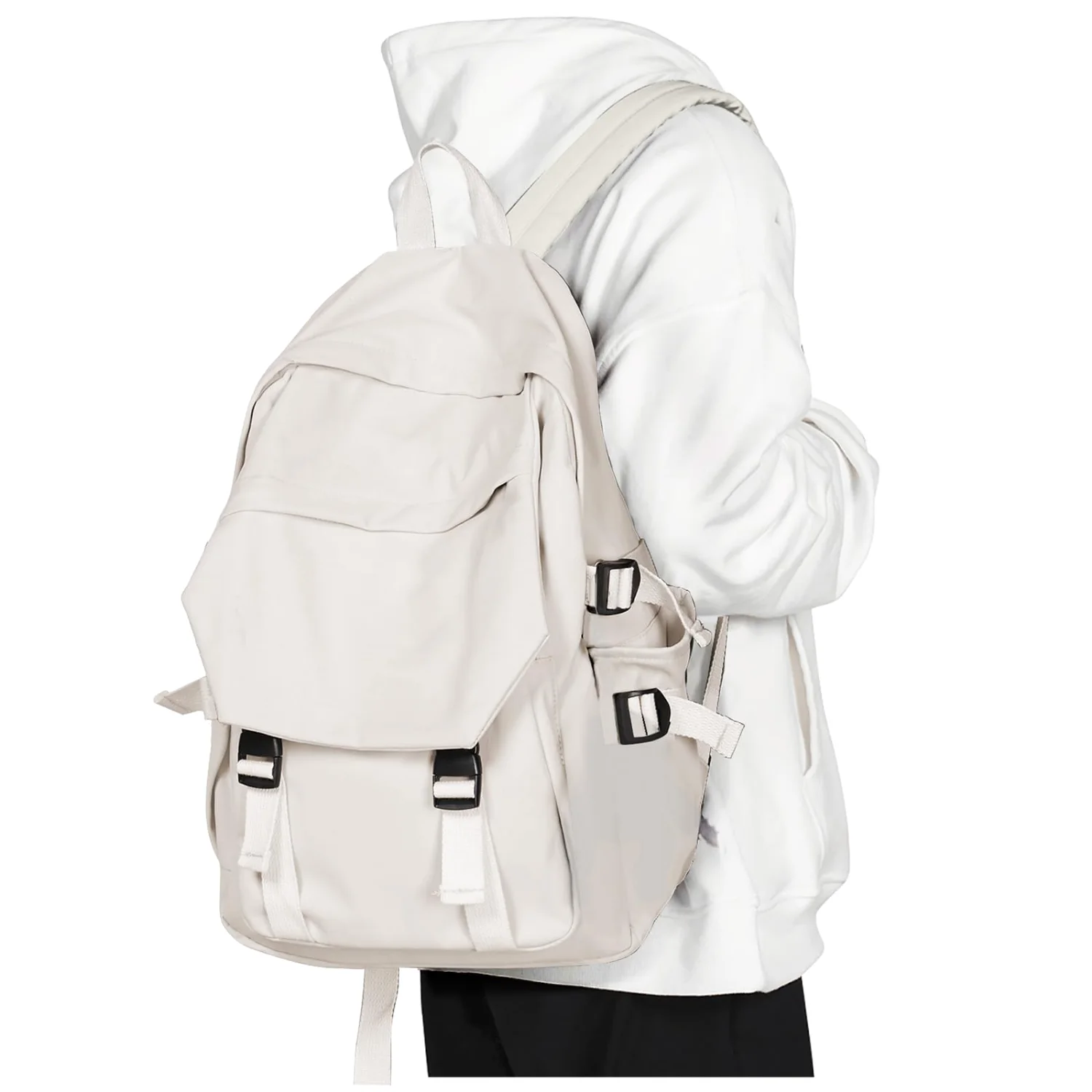
As children move up grades, textbooks and paper requirements often increase. A larger bag may be necessary to fit oversized binders or multiple textbooks. Our college backpack weighs about 1.1 pounds empty and is available in larger sizes, including an 18.3 inch tall option. Measure what your child needs to carry on a typical day before choosing the next size up.
Avoid buying a pack that is much larger than daily needs. Excess internal space invites extra items and heavier loads. If your child alternates between carrying a few books and a full set of materials, consider two different bags for different days rather than one oversized pack. Fit testing in the store or at home helps. Have your child try the bag with a realistic load. Check that it sits properly along the back and that straps tighten comfortably without digging in.
What to watch for and when to lighten the load
Watch how your child moves with the pack. If they lean forward when walking, complain of shoulder or neck soreness, or frequently switch the pack from one shoulder to the other, those are signs the load may be too heavy. Notice whether the shoulder straps leave deep marks. That can indicate excessive pressure.
If pain or persistent discomfort appears, take it seriously. A child with back pain should see their doctor. Discomfort that does not go away after reducing load and improving fit needs professional attention.
Adjust routines to reduce weight when necessary. Keep a duplicate of frequently used school supplies at home. Ask teachers about rotating materials so heavy textbooks do not need to travel every day. Consider a small rolling cart for middle school students who transition between classes in the same building and who need to move a full load over longer distances.
Teach your child habits that protect posture. Encourage short breaks from carrying, tight strap adjustment, and packing only the essentials for the day. Small changes often make the biggest difference in comfort over a school year. A light bag helps, but the best protection comes from correct fitting, sensible packing, and regular checks of what your child actually carries.
A question about a size or a pocket? Write to underseat@coowoz.org and the COOWOZ team will answer.