
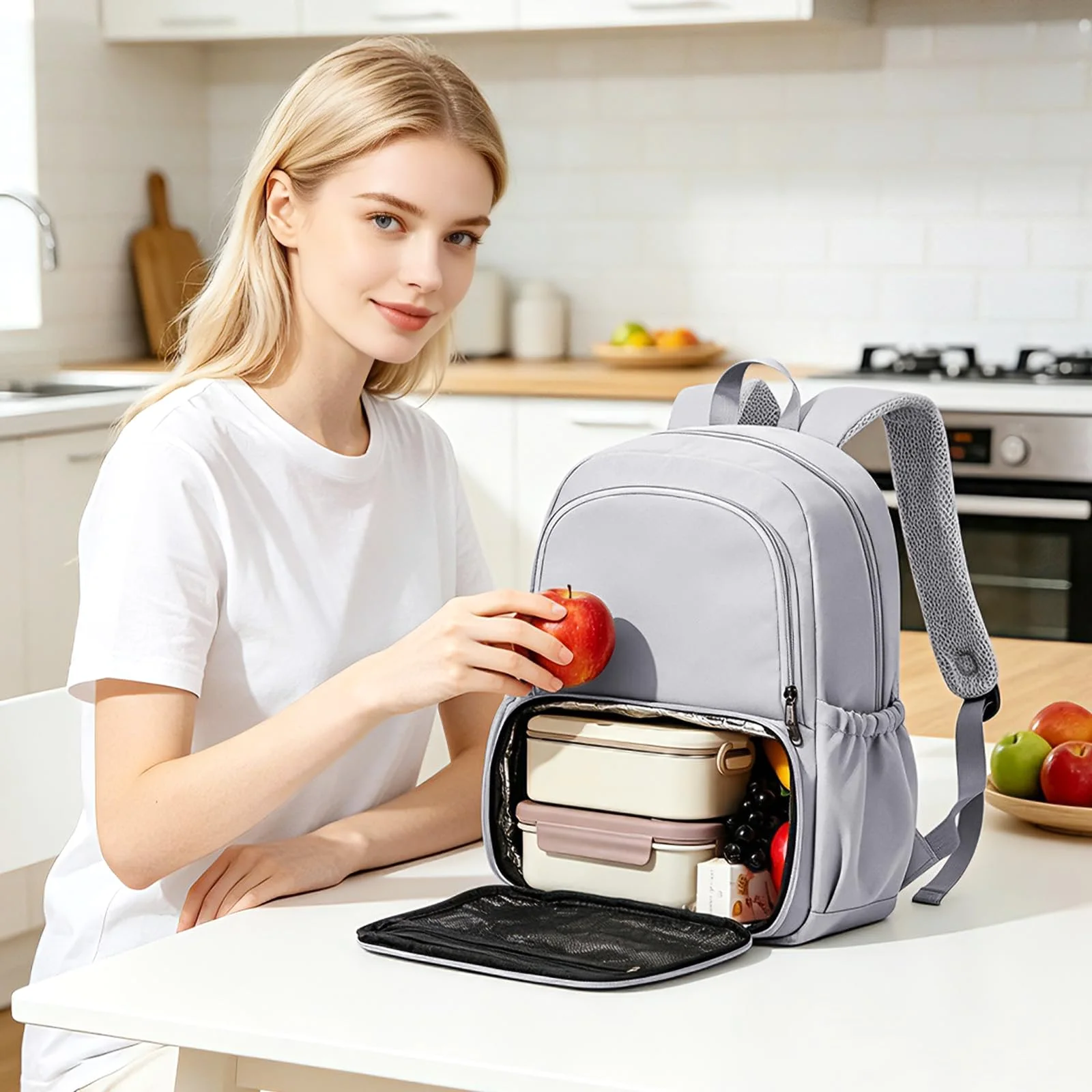
Why a lunch bag needs help from you
A lunch bag slows warming but it cannot stop it by itself. Perishable foods are vulnerable because bacteria grow fastest between 40 and 140 degrees F. That range is called the Danger Zone. Food that sits at room temperature should not be left for more than two hours. If the air is above 90 degrees F, the safe time drops to one hour.
Our insulated compartments are built to slow heat transfer, and our product data puts their hold at three to five hours. That is useful, but it is not a guarantee of food safety. For perishable items you still need active cold sources in the bag. The USDA recommends at least two frozen cold sources with perishable foods. Those could be two gel packs or a gel pack paired with a frozen bottle.
Think of the bag as part of a simple system. Start cold at home. Keep the bag closed during the commute. Top up with frozen pieces if you expect a long day. Small steps like these make it far more likely that your lunch arrives both cool and enjoyable.
Two cold sources, and where to put them
The USDA guidance is specific for a reason. Use two frozen gel packs, each no smaller than 5 by 3 inches. An alternative is one frozen gel pack plus a frozen juice box or a frozen bottle of water. Frozen bottles are sturdy cold masses that fit into side pockets. Gel packs come in sizes that slide easily into an insulated compartment.
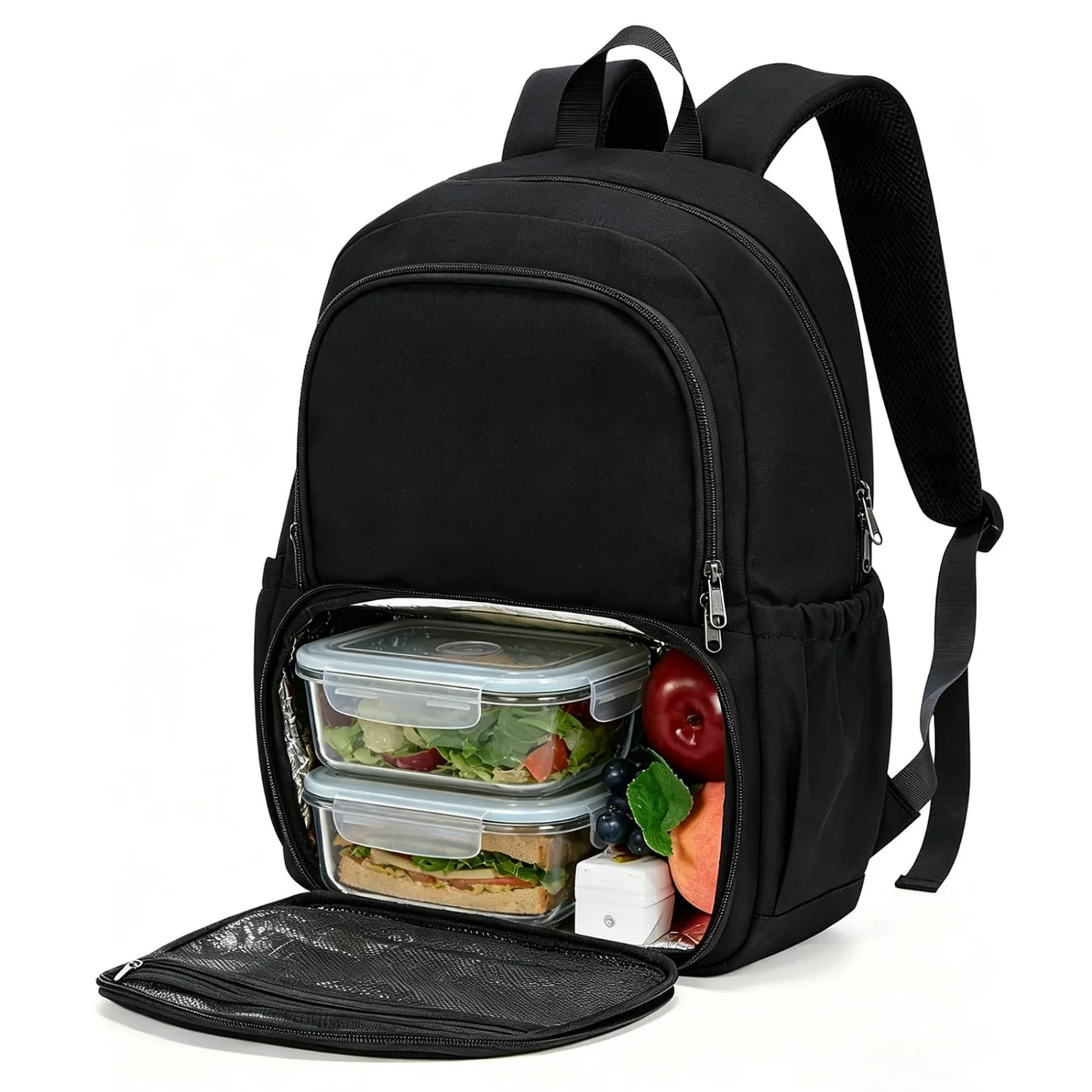
Placement matters. Put one cold source on the bottom and another on top when you can. That puts sandwiches, salads and dairy between two cold surfaces. If space or contents make stacking awkward, place packs along opposite sides to keep a stable core temperature. Avoid letting warm items press directly against the food you want to keep cold.
In our lunch backpack the insulated compartment sits at the bottom, and a divider above it folds down when you need one tall space. On our work backpack the insulated compartment measures 11.5 by 5 by 8 inches. The lunch tote offers an 11 by 8 by 6 inch compartment and a side pocket that holds a bottle up to 40 ounces. Use that pocket for a frozen bottle if you need extra cooling without crowding the main compartment.
Keep lids closed until you reach the break room. That small discipline reduces air exchange and preserves the cooling you packed.
Packing the night before and in the morning
Freezing components overnight can save time in the morning. Freeze gel packs flat so they slide into the compartment easily. A frozen bottle or frozen juice box can serve as one of the two required cold sources. Place items that freeze well, such as certain fruits or sealed sauces, in the freezer as an extra cold mass. These will thaw gradually and help keep the rest of the lunch cold.
Not everything belongs in the freezer overnight. Prepared salads with delicate greens or dressings with mayonnaise should be chilled but not refrozen. Pack those items shortly before you leave if you can. Leaving perishable food at room temperature during preparation risks entering the Danger Zone. Keep total time out of refrigeration under two hours. If you expect temperatures above 90 degrees F that safe window is just one hour.
As you assemble the lunch, wrap wet or messy items and position them nearest the leakproof lining. Our PEVA over foam lining is leakproof at the bottom compartment, but you still want to avoid spills. Fold the divider down when you need a single roomy compartment. Close the bag firmly and put it back in the fridge if you have time before you leave. If you do place the bag in the refrigerator, leave the lid or bag open so the cold air can reach the food overnight or in the morning.
Plan packing so the cold sources are frozen solid at departure. That step increases the chance that the insulated compartment stays below the Danger Zone until noon.
At work or at school: the fridge, the desk and the car
A refrigerator in the break room makes things simple. Set the insulated compartment into the fridge with the lid or bag open. Cold air needs direct access to the food. Stashing a sealed lunch inside an open bag lets the refrigerator do most of the work. Check that the frozen packs remain solid or at least very cold before you eat.
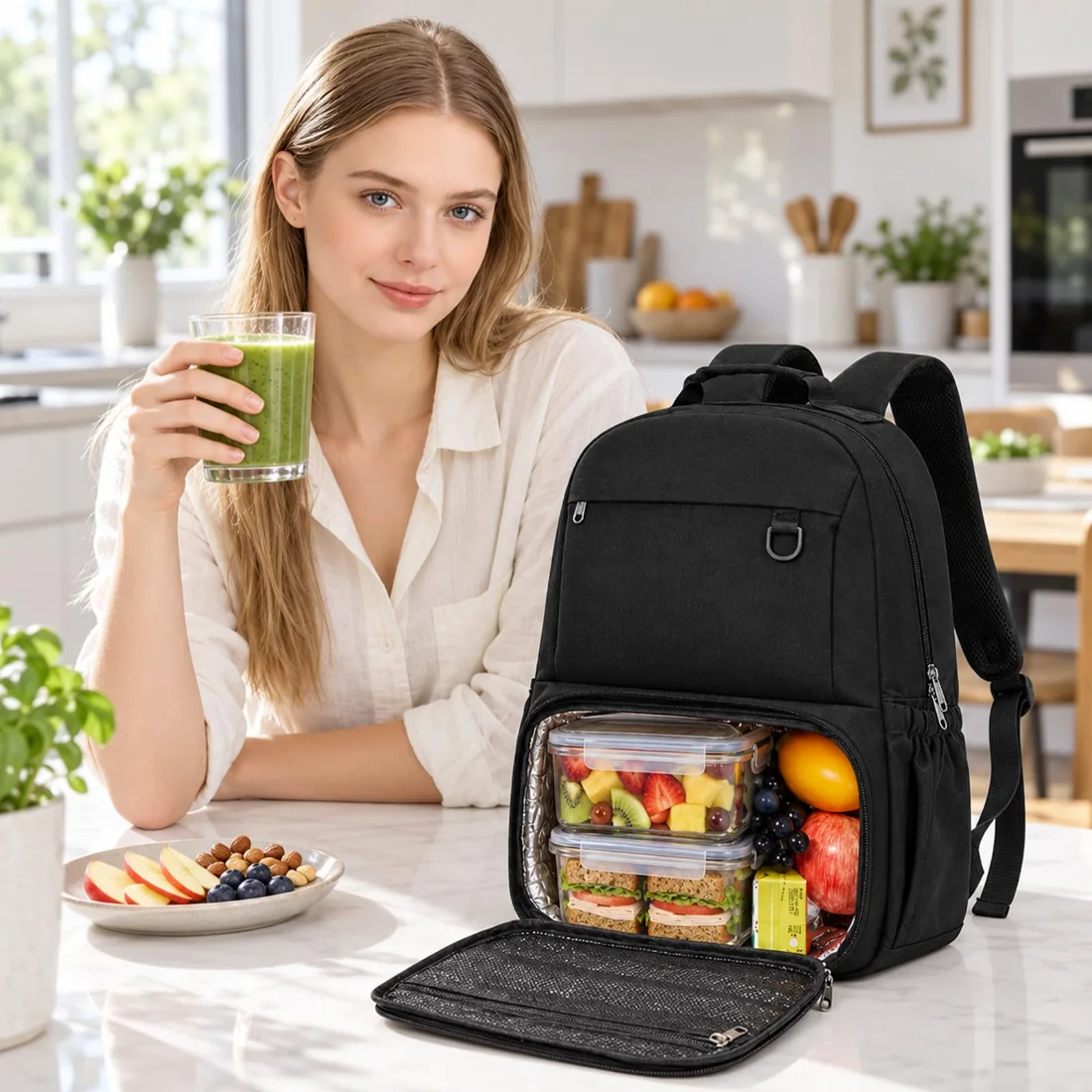
If you do not have a fridge, manage the desk and locker area with extra cold sources. Swap in a fresh frozen pack at midday if you can. Keep the bag closed between uses. Opening it repeatedly lets warm air in and speeds thawing. Store condiments and sauces in sealed containers and place them against gel packs.
Cars are riskier than they look. Temperatures inside a parked vehicle rise quickly, which shortens the two hour safe window. Avoid leaving perishable foods in a car. If you must transport lunch by car, keep it in the passenger area on the floor instead of the hot trunk. Do not rely on the insulated compartment alone for long stops in heat. Plan to transfer food into a refrigerator on arrival or use extra frozen blocks when a refrigerator is unavailable.
Hot lunches
Hot food requires a different approach. Keep hot items at or above 140 degrees F. An insulated food jar or thermos designed to hold heat can maintain that temperature for some hours. Place the hot container in a separate spot from cold items to avoid heat transfer.
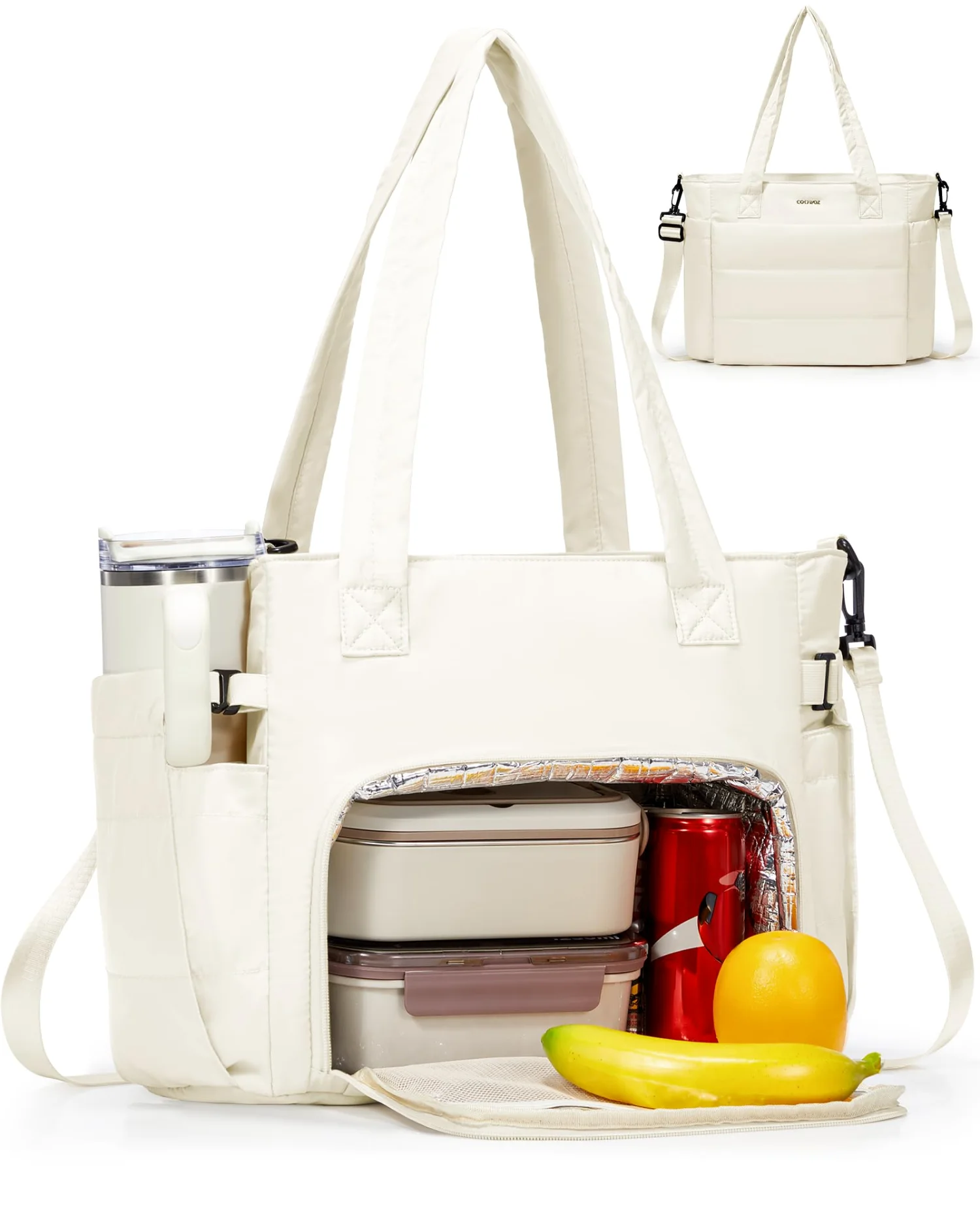
The insulation in our bags slows warming and cooling alike, but a lined bag is no substitute for a jar built to hold heat above 140 degrees F. Preheat a thermos with boiling water for a few minutes before filling it. Close the lid tightly and avoid opening until you are ready to eat. That small ritual helps retain temperature and reduces the risk of entering the Danger Zone.
If you plan to combine hot and cold items in the same bag, use separate sealed containers and position frozen packs near perishable cold components. Keep the hot container isolated so its warmth does not compromise chilled foods.
Cleaning the lunch compartment
Treat the insulated compartment as regular gear. Remove crumbs and loose debris first. Wipe with warm soapy water. Dry open so air can circulate and the lining can dry completely. Do not put the insulated compartment in a washing machine.
For sticky spills use a soft cloth and a mild detergent. Rinse the wipe cloth and go over the surface again to remove soap residue. Allow the bag to remain open until it is fully dry. A dry interior prevents lingering smells and reduces conditions that encourage bacterial growth.
Check seals and seams periodically for trapped food. Small problems are easier to address than large ones. If a stain or smell persists, repeat the warm soapy water cleaning and allow extended drying in a ventilated area. Regular care preserves the leak-resistant lining and keeps the compartment ready for your next packed lunch.
A question about a size or a pocket? Write to underseat@coowoz.org and everyone at COOWOZ will answer.